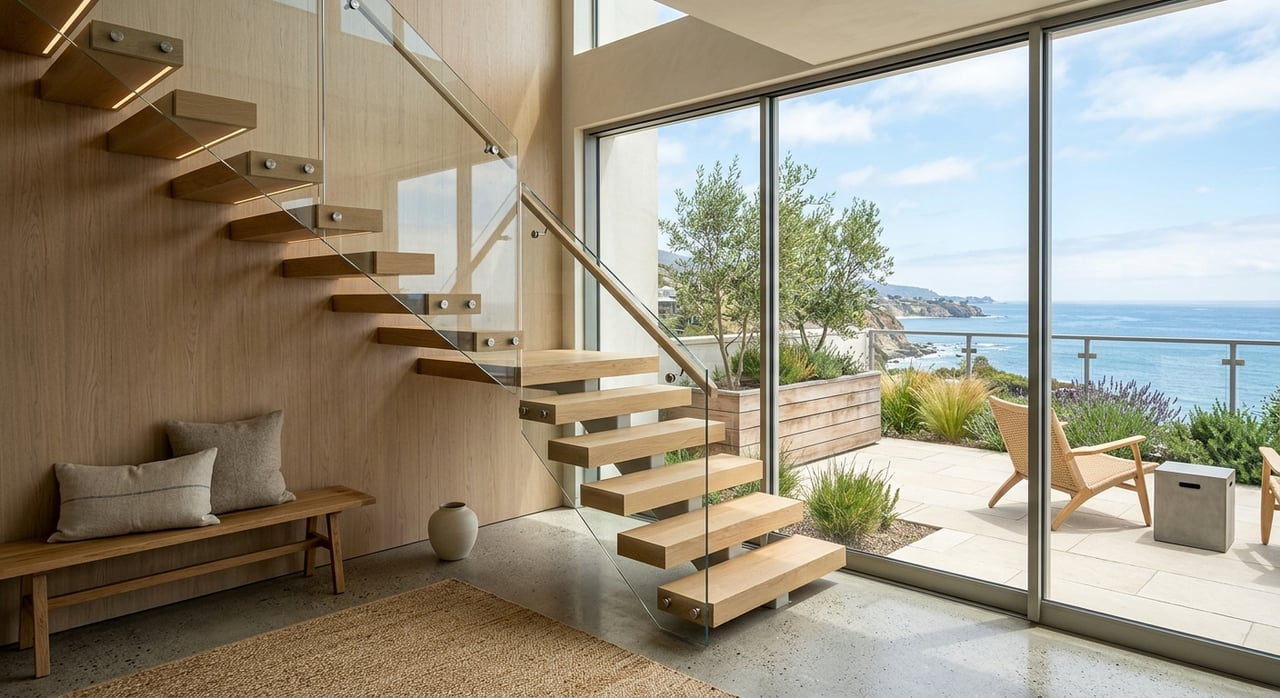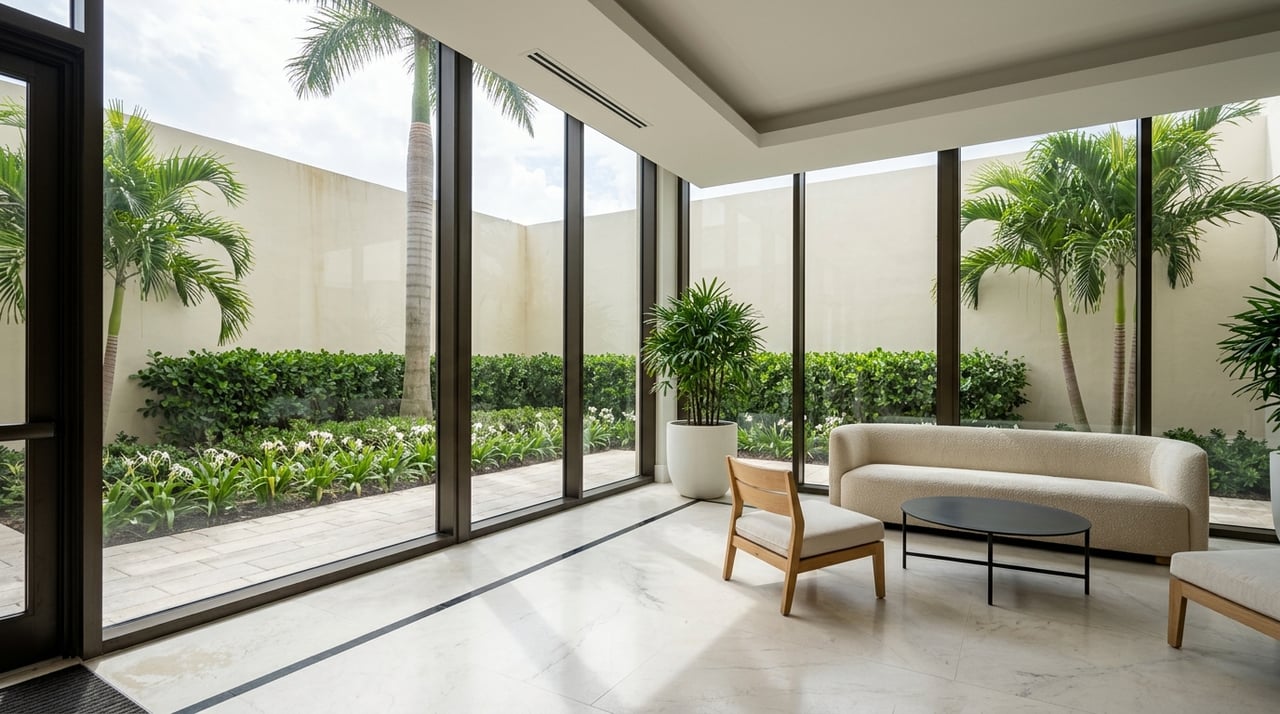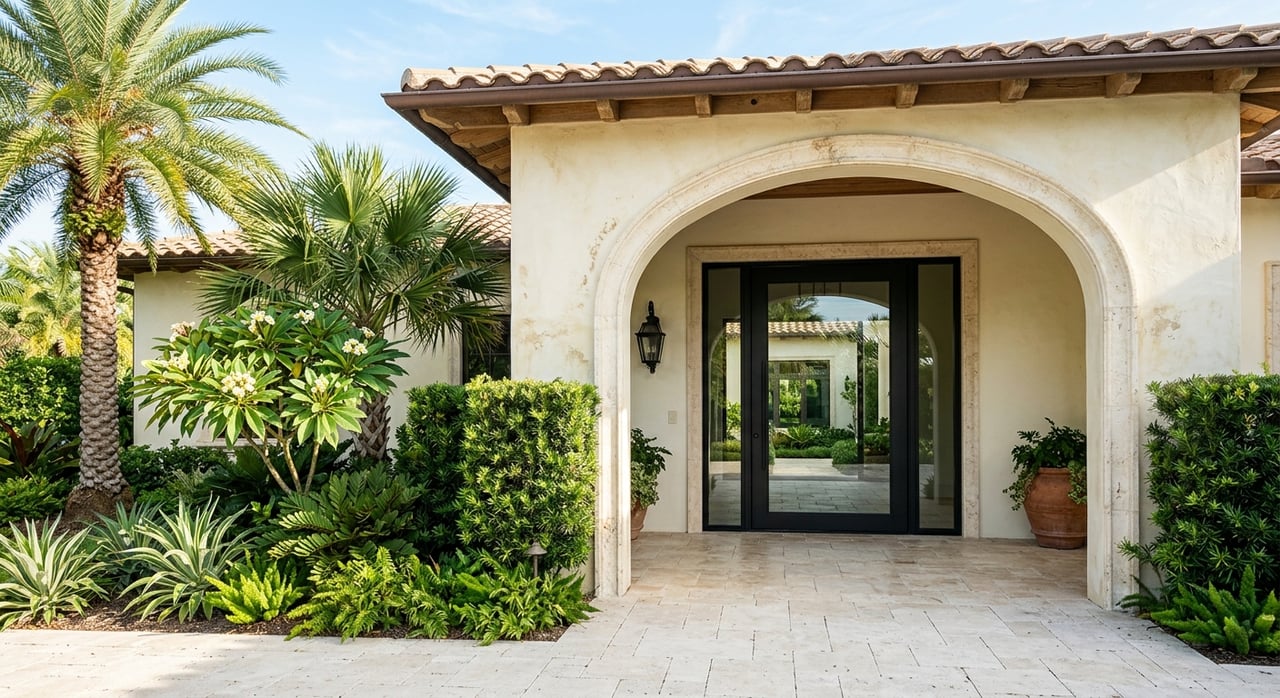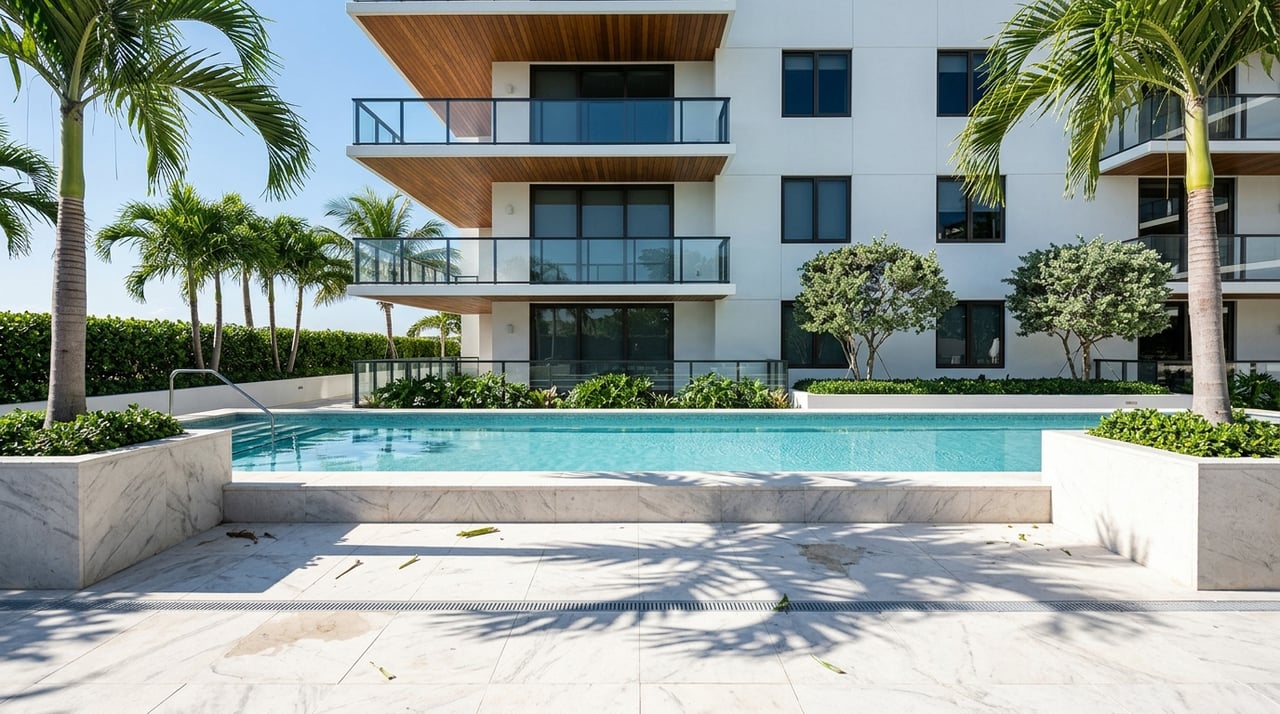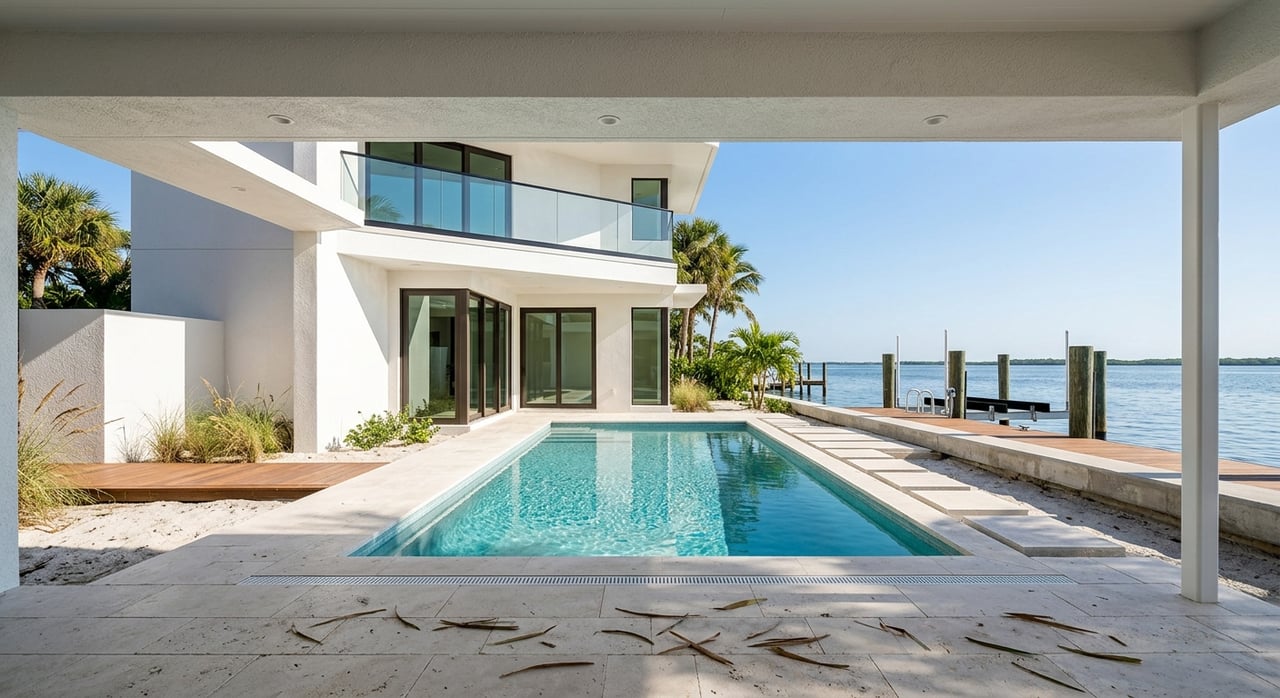
What if you could step toward the Atlantic for sunrise and turn the other way for your boat by late afternoon? That is the core appeal of Hillsboro Mile, but it also comes with rules, site details, and day-to-day logistics that are easy to miss if you only look at photos. If you are considering a purchase here, understanding how the ocean side and Intracoastal side function can help you evaluate a property more clearly and buy with more confidence. Let’s dive in.
What makes Hillsboro Mile unique
Hillsboro Beach describes Hillsboro Mile as a narrow peninsula between the Intracoastal Waterway and the Atlantic Ocean. The town is about 3 miles long, only about 900 feet wide at its widest point, and organized around one road that runs north to south through town.
That geography shapes everything about life here. The town is almost entirely residential, with roughly 50 single-family homes, most residents living in condominiums, one hotel, and no commercial properties. If you are looking for a highly residential waterfront setting, that limited footprint is a major part of the appeal.
Why two shorelines matter
The phrase “beach-to-Intracoastal living” sounds simple, but on Hillsboro Mile the two sides of the island work very differently. One shoreline is centered on beach access, dune conditions, and shoreline management. The other is shaped by docks, seawalls, boating approvals, and bridge timing.
For buyers, that means you should not assume every property offers the same type of access or the same ownership experience. A home or condo may have an ocean orientation, an Intracoastal orientation, or a more complex relationship to both sides of A1A.
Atlantic side living explained
On the ocean side, the lifestyle is tied to direct beach access and the experience of living beside a narrow strip of sand and dunes. The town regulates beach steps, platforms, and walkovers as the means of access from a property to the beach.
Those rules are specific. The town requires beach steps to have rails on both sides and to remain at least 15 feet from the north or south lot line. The town also places address-number requirements on beach access steps or the eastern-most beach entry point for certain properties.
Another important point is how the town describes the beach edge. It identifies the upland side of the beach as the private portion, with use shaped by each property owner’s rules. That means access and use are not something you should generalize from one property to the next.
Beach access is managed, not casual
Beach life here is not just about views and sand. It is also part of an actively managed coastal environment, with local rules and periodic maintenance affecting how the shoreline is used.
The town says it takes pride in protecting sea turtle nests, and beach work can temporarily limit access in active work areas. The town also describes beach nourishment as a tool to replenish sand, support recreation, and improve storm protection and sea turtle nesting habitat.
Intracoastal side living explained
On the Intracoastal side, the conversation shifts from beach walkovers to marine infrastructure. The town’s site-plan checklist says docks, boat davits, and piers may be built along the waterway, while docks and piers are not permitted along the Atlantic Ocean.
That distinction is one of the most important practical differences on Hillsboro Mile. If boating is central to your lifestyle, you will want to focus closely on Intracoastal-side conditions, existing improvements, and what has been approved for the property.
The town also notes that west-side projects may need approvals from Broward County and the U.S. Army Corps of Engineers. In other words, the boating side of ownership can involve a more layered approval process than many buyers expect.
Boating rhythm includes bridge timing
At the south end of town, Hillsboro Inlet connects the Intracoastal Waterway to the Atlantic Ocean. The SR A-1-A drawbridge at Hillsboro Inlet opens on signal, but from 7 a.m. to 6 p.m. it opens only on the hour, quarter hour, half hour, and three-quarter hour.
If you plan to keep a boat and use it often, that schedule becomes part of daily life. It may sound minor at first, but bridge timing can affect how you plan departures, returns, service appointments, and entertaining on the water.
Water safety is part of the setting
The town’s Marine Unit is another part of the Intracoastal lifestyle. It responds to water-related incidents, educates vessel operators, and enforces maritime rules within town waterways.
For buyers, that reinforces an important theme about Hillsboro Mile. This is not just scenic waterfront living. It is also a regulated, closely managed coastal environment where ownership comes with practical responsibilities.
Not every property offers both lifestyles equally
One of the biggest misconceptions about Hillsboro Mile is that every home automatically gives you the full beach-and-boat experience. The town’s own rules suggest otherwise.
Its site-plan checklist requires some applicants to show the entire parcel, including areas on both the west and east side of A1A, along with the Easterly Building Line, dune elevation, setbacks, and other site-specific dimensions. That suggests some sites must be understood as split or dual-frontage properties rather than simple one-side lots.
For you as a buyer, the takeaway is clear: verify the actual relationship a property has to each shoreline. Do not rely on marketing language alone to assume beach access, dock rights, or improvement potential.
Coastal construction rules shape ownership
Because Hillsboro Mile sits on a narrow barrier island, construction and renovation are shaped by flood, shoreline, and permitting rules. The town says all development, including new construction, additions, renovations, and alterations, requires a construction permit, and site-plan approval may also be required.
Those approvals must comply with minimum flood-zone finish-floor elevations. If you are considering a renovation, a major update, or a tear-down opportunity, these requirements should be part of your early review.
NOAA explains that barrier islands help absorb wave energy through dunes and vegetation, but they are also vulnerable to erosion, sea-level rise, and extreme weather. That broader coastal reality helps explain why local rules on this thin strip of land are so detailed.
Seawalls deserve close review
For Intracoastal-facing ownership, seawalls are especially important. The town’s seawall ordinance sets minimum elevations for new seawalls, requires substantial repairs to meet local tidal-flood standards, and states that new or substantially repaired seawalls must be designed as tidal flood barriers by January 1, 2035.
The ordinance also requires owners to maintain seawalls so tidal water does not flow unimpeded onto neighboring property or public rights-of-way. If you are evaluating a waterfront property, seawall condition is not just a maintenance detail. It can affect your budget, your timeline, and your long-term ownership planning.
What buyers should verify first
If you are seriously considering a property on Hillsboro Mile, start with the practical pieces before you get too attached to the view. In a market this specialized, the details matter.
Here are some of the first items to verify:
- Dock rights and existing approvals if boating is important to you
- Seawall condition and whether repairs or upgrades may be needed
- Permit history for prior work, additions, or shoreline improvements
- Flood-zone compliance and required finish-floor elevations
- Bridge timing if regular boat access is part of your plan
- Beach access configuration and any property-specific rules that affect use
A polished listing can show the lifestyle. Careful due diligence shows you how the property actually functions.
Why Hillsboro Mile appeals to luxury buyers
For many buyers, Hillsboro Mile offers something rare: a residential setting where oceanfront atmosphere and Intracoastal boating culture exist within the same very narrow landscape. There are few places in South Florida where the physical relationship between the two shorelines feels this immediate.
That said, the appeal is strongest when your expectations match the property itself. Some buyers want direct beach orientation and a quieter residential environment. Others prioritize dockage, marine access, and the ability to move easily between home and water.
The right property is often less about the broad idea of Hillsboro Mile and more about how one specific address interacts with this unusually thin barrier-island setting. That is where local knowledge and careful property review become especially valuable.
If you are exploring Hillsboro Mile as a primary residence, seasonal retreat, or long-term waterfront hold, clarity matters. The team at Scott Gerow & Rachelle Beresh can help you evaluate the lifestyle, shoreline differences, and property details that matter most before you make your move.
FAQs
What is Hillsboro Mile in Hillsboro Beach?
- Hillsboro Mile is a narrow residential peninsula in Hillsboro Beach between the Atlantic Ocean and the Intracoastal Waterway, about 3 miles long and roughly 900 feet wide at its widest point.
Can you build a dock on the ocean side of Hillsboro Mile?
- No. The town says docks and piers are not permitted along the Atlantic Ocean, while Intracoastal-side docks, piers, and boat davits may be allowed with approvals.
Do all Hillsboro Mile properties have both beach and boating access?
- No. The town’s rules treat the ocean side and Intracoastal side differently, so you should verify each property’s actual access, rights, and approvals.
What should buyers check before buying on Hillsboro Mile?
- Buyers should verify dock rights, seawall condition, permit history, flood-zone compliance, beach-access details, and bridge timing if boating is important.
Is the beach private on Hillsboro Mile?
- The town describes the upland side of the beach as the private portion, with use shaped by each property owner’s rules, while beach access structures remain locally regulated.
Why are seawalls important for Intracoastal properties in Hillsboro Beach?
- Seawalls are subject to local elevation, repair, and tidal-flood-barrier standards, so their condition can affect maintenance planning, compliance, and future improvement costs.